• Home
  • IMMAs
    • IMMA Selection Criteria
    • IMMA Identification Process
    • IMMA definitions
    • FAQ on IMMAs
    • IMMA citations
    • Regional IMMA workshops
      • Mediterranean Sea
      • Pacific Islands
      • North East Indian Ocean and South East Asian Seas
      • Extended Southern Ocean
      • Western Indian Ocean and Arabian Seas
      • Australia-New Zealand and South East Indian Ocean
      • Black Sea, Turkish Straits System and Caspian Sea
      • South East Tropical and Temperate Pacific Ocean
      • South West Atlantic Ocean Region
      • North East Atlantic Ocean Region
      • North West Atlantic Ocean and Wider Caribbean
    • Current IMMAs Summary
    • IMMAs Searchable Database
    • IMMAs Description and Fact Sheets
    • IMMA Spatial Layer Download
    • Regional Groups
    • How can IMMAs be used?
  • IMMA e-Atlas
  • IMMA Specialist Group
    • Mission
    • Task Force Members
    • Supporting organisations
    • Partner organisations
    • Activities
      • Panorama Solutions
      • Geospatial Genetics to Identify IMMAs
      • Geospatial Analysis of Threats
    • ICMMPA
  • Resources
    • Documents
    • IMMA Handbook
    • IMMA citations guidance
    • IMMA Spatial Layer Download
    • IMMA – Area Submission
  • Contacts
  • News
  • Menu Menu

IMMAs in danger: Task Force message to the President of Mexico

19 May 2026.

The IUCN Marine Mammal Protected Areas Task Force is deeply concerned to hear about a new decree in Mexico which aims to reclassify the Port of Loreto in Baja California Sur as a deep-sea, commercial port.

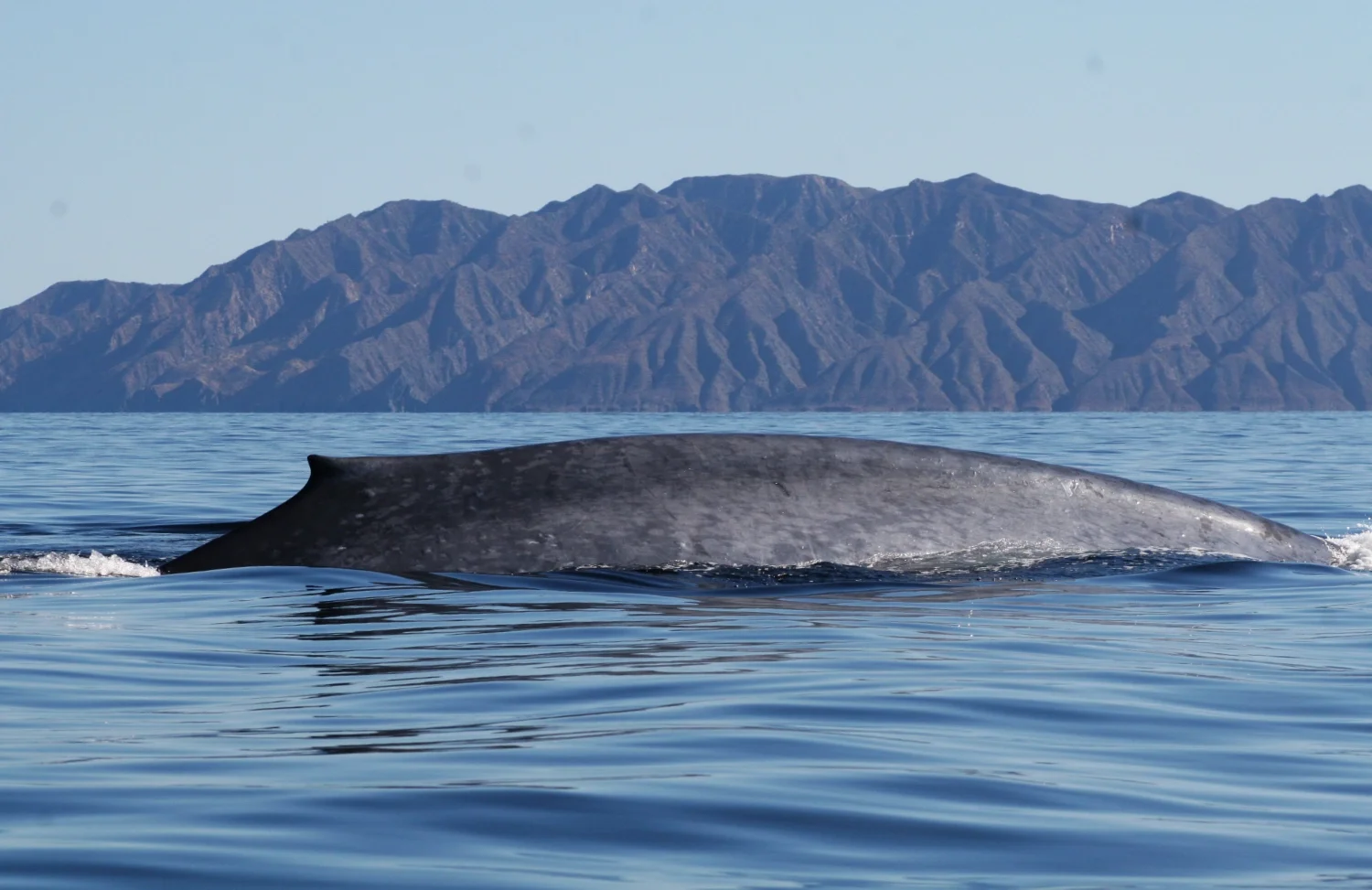
Located in the Gulf of California Important Marine Mammal Area (IMMA), Loreto Bay is a feeding area and hangout for blue whales, including mothers with calves. Besides being an IMMA, the area overlaps a National Park and a UNESCO World Heritage Site.

The Gulf of California IMMA, 276,000 km2 in size, is of world class importance for an extraordinary diversity consisting of 33 marine mammal species including critically endangered vaquita, as well as humpback and gray whales, and the endangered blue whales. These regulatory changes to reclassify a key port in the IMMA, may compromise the integrity of this protected area and are thus of serious concern, not only at a national level, but internationally.

The Task Force has written to the President of Mexico, Dra. Claudia Scheinbaum Pardo, to appeal to her “to undertake an independent, science-based environmental assessment,” to “explore mitigation measures such as rerouting of vessels and speed restrictions,” and to “align decisions with national and international biodiversity commitments.”

The full text of the letter follows:
Franciscana dolphin

Share this entry
  • Share on Facebook
  • Share on WhatsApp
  • Share on LinkedIn
  • Share by Mail

Categories

Older news

Privacy Policy Cookie Policy
This website runs on green hosting - verified by thegreenwebfoundation.org

Partners

IUCN World Commission on Protected Areas (WCPA)
IUCN Species Survival Commission (SSC)
International Committee on Marine Mammal Protected Areas (ICMMPA)
Tethys Research Institute
Whale and Dolphin Conservation (WDC)
Global Ocean Biodiversity Initiative (GOBI)
Office français de la biodiversité

Follow us

@copyright 2016-2020 - Marine Mammal Protected Areas Task Force - Web Design: Elena Politi - Graphic: Massimo Demma
Link to: Blue Corridors and Important Marine Mammal Areas (IMMAs) Travel to the IWC Scientific Committee Link to: Blue Corridors and Important Marine Mammal Areas (IMMAs) Travel to the IWC Scientific Committee Blue Corridors and Important Marine Mammal Areas (IMMAs) Travel to the IWC Scientific... Link to: Our IUCN Task Force becomes an IUCN Specialist Group Link to: Our IUCN Task Force becomes an IUCN Specialist Group Our IUCN Task Force becomes an IUCN Specialist Group
Scroll to top

Loading...