• Home
  • IMMAs
    • IMMA Selection Criteria
    • IMMA Identification Process
    • IMMA definitions
    • FAQ on IMMAs
    • IMMA citations
    • Regional IMMA workshops
      • Mediterranean Sea
      • Pacific Islands
      • North East Indian Ocean and South East Asian Seas
      • Extended Southern Ocean
      • Western Indian Ocean and Arabian Seas
      • Australia-New Zealand and South East Indian Ocean
      • Black Sea, Turkish Straits System and Caspian Sea
      • South East Tropical and Temperate Pacific Ocean
      • South West Atlantic Ocean Region
      • North East Atlantic Ocean Region
      • North West Atlantic Ocean and Wider Caribbean
    • Current IMMAs Summary
    • IMMAs Searchable Database
    • IMMAs Description and Fact Sheets
    • IMMA Spatial Layer Download
    • Regional Groups
    • How can IMMAs be used?
  • IMMA e-Atlas
  • IMMA Specialist Group
    • Mission
    • Task Force Members
    • Supporting organisations
    • Partner organisations
    • Activities
      • Panorama Solutions
      • Geospatial Genetics to Identify IMMAs
      • Geospatial Analysis of Threats
    • ICMMPA
  • Resources
    • Documents
    • IMMA Handbook
    • IMMA citations guidance
    • IMMA Spatial Layer Download
    • IMMA – Area Submission
  • Contacts
  • News
  • Menu Menu

Building transatlantic partnerships among MPAs with whales and dolphins

How can far-flung marine protected area (MPA) managers get connected?

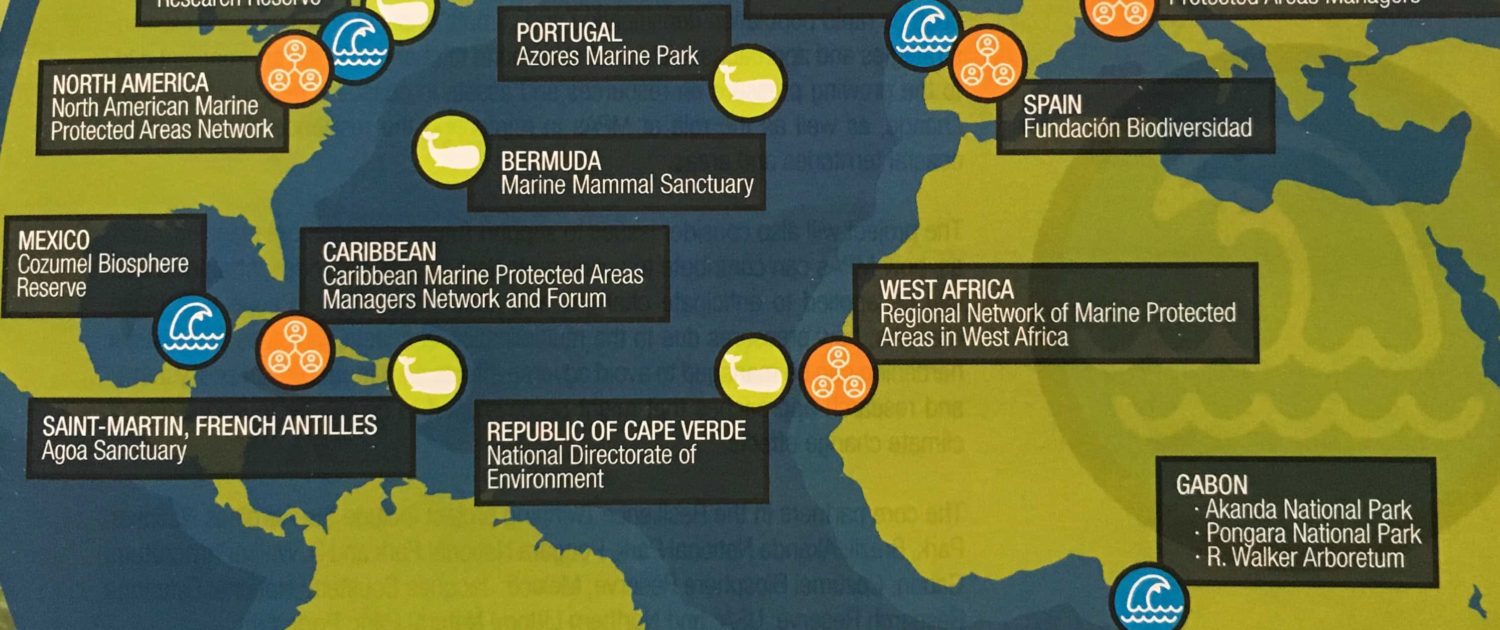
The Marine Mammals Protection Twinning project, one of three EU transatlantic MPA projects, was set up to connect MPA managers across the length and breadth of the North and South Atlantic ocean.

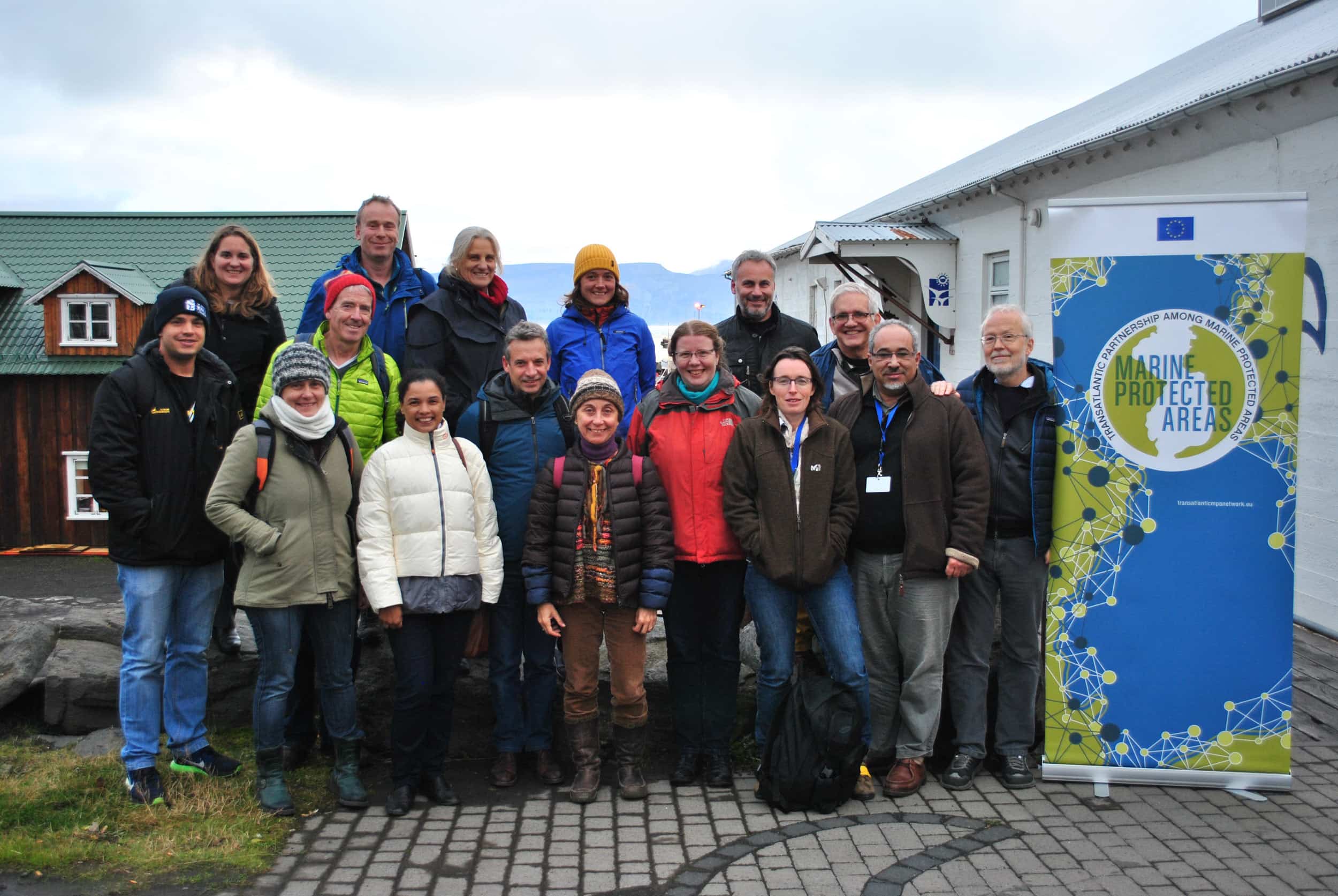
The project’s 2nd technical workshop, held 2-4 October 2017 at the Húsavík Whale Museum, in Húsavík, Iceland, invited Erich Hoyt, co-chair of the Task Force to present on Important Marine Mammal Areas (IMMAs) and marine mammal protected areas.

This workshop examined twinning partnerships including sister sanctuaries and various MPA manager networks. Presentations and discussions centred around exchanges between participants linked by humpback whale feeding and breeding areas, including Cape Verde, Azores, Stellwagen Bank National Marine Sanctuary in the USA, the Agoa Sanctuary in the French Caribbean, the Netherlands Antilles, Brazil, and potentially Iceland.

How can IMMAs contribute? For the Mediterranean, IMMAs already offer the best evidence for the location of marine mammal habitat contributing to potential corridors, zoning initiatives and a higher level of conservation protection in some cases. There was substantial interest in the IMMA tool for future Task Force workshops that would investigate habitats in the North and South Atlantic.

More information here.
Categories

Older news

Privacy Policy Cookie Policy
This website runs on green hosting - verified by thegreenwebfoundation.org

Partners

IUCN World Commission on Protected Areas (WCPA)
IUCN Species Survival Commission (SSC)
International Committee on Marine Mammal Protected Areas (ICMMPA)
Tethys Research Institute
Whale and Dolphin Conservation (WDC)
Global Ocean Biodiversity Initiative (GOBI)
Office français de la biodiversité

Follow us

@copyright 2016-2020 - Marine Mammal Protected Areas Task Force - Web Design: Elena Politi - Graphic: Massimo Demma
Link to: Twenty-six areas in the Mediterranean awarded IMMA status Link to: Twenty-six areas in the Mediterranean awarded IMMA status Twenty-six areas in the Mediterranean awarded IMMA status Link to: IMMAs: A New Spatial Tool Making Waves for Ocean Conservation Link to: IMMAs: A New Spatial Tool Making Waves for Ocean Conservation IMMAs: A New Spatial Tool Making Waves for Ocean Conservation
Scroll to top

Loading...