26 May 2023. Hamburg, Germany.
The tenth workshop of the IUCN Marine Mammal Protected Areas Task Force has concluded an intensive week in Germany, with the identification of 36 new candidate Important Marine Mammal Areas, or cIMMAs.
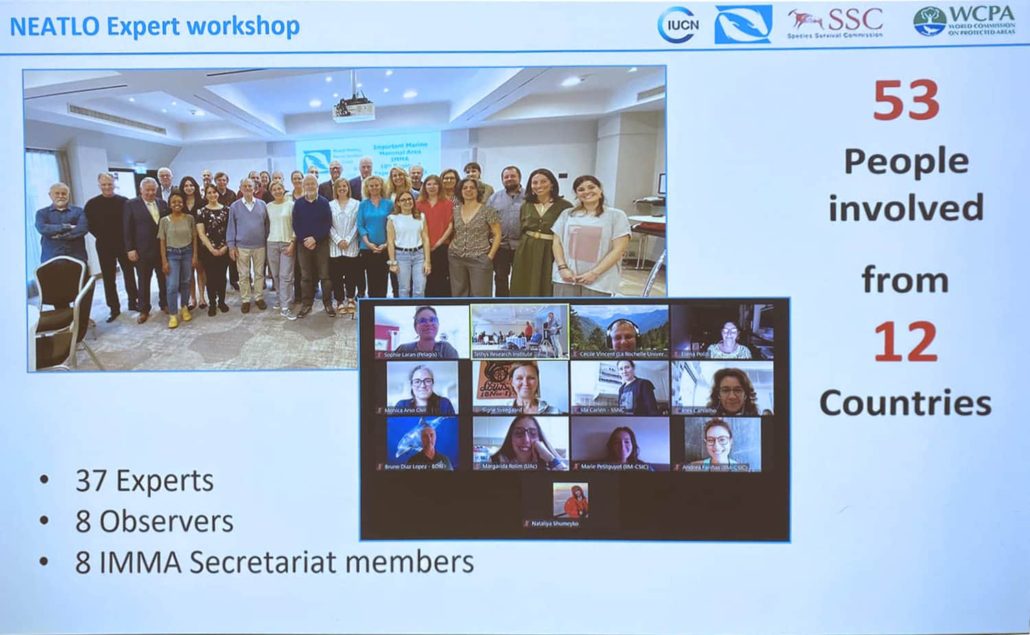
Participants consisted of 53 scientists and observers from 13 countries who are specialists in whales, dolphins, porpoises and seals in the waters of the North East Atlantic, and countries from Morocco in the south, to the Shetland Islands of the UK, and further east to include the North and Baltic seas.
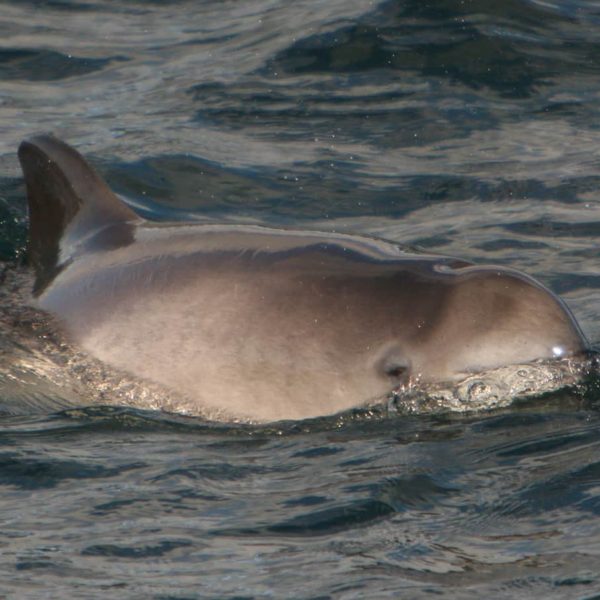
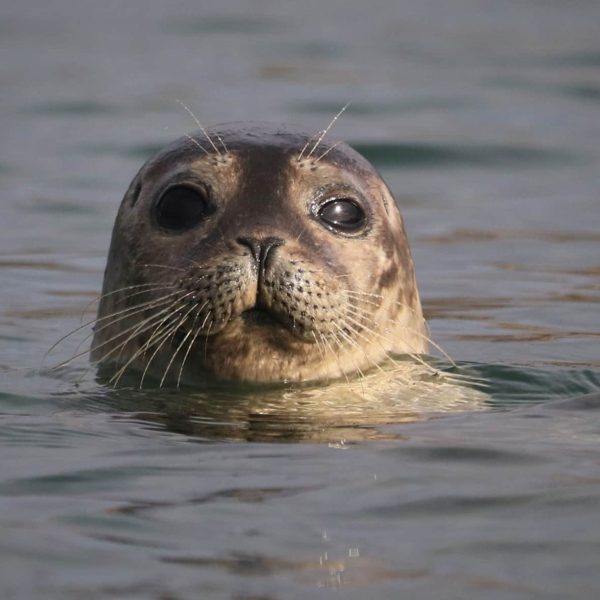
The North East Atlantic Ocean, which represents roughly a quarter of the Atlantic Ocean, features substantial populations of fin and common minke whales, killer whales, sperm whales, Risso’s and bottlenose dolphins, harbour porpoises as well as several species of rare deep-diving beaked whales. There are several endemics including the endangered Saimaa ringed seal and the critically endangered Baltic harbour porpoise.
Workshop opening day speakers emphasized the value of IMMAs for conservation. Presentations came from Vedran Nikolić (European Commission), David Johnson (Global Ocean Biodiversity Initiative), Anne Freiberger (German Ministry of Environment), Melanie Virtue (Convention on Migratory Species – CMS) and CMS daughter agreement speakers Susana Salvador (ACCOBAMS) and Jenny Renell (ASCOBANS).
Following the announcement of the new cIMMAs, the IMMA Secretariat of the Task Force who hosted the meeting, will now send them for independent scientific review. The final decision on those qualifying for full IMMA status is expected later in the year, and then they will join more than 200 existing IMMAs from the South Pacific, Southern and Indian Ocean, the Southwest Atlantic Ocean, as well as the Mediterranean, Black and Caspian Seas. All IMMAs are available on the Task Force IMMA e-Atlas (marinemammalhabitat.org) where they will become available for download as shapefiles and associated information.
IMMAs are defined as discrete portions of habitat, important to marine mammal species, that have the potential to be delineated and managed for conservation. IMMAs are identified in order to prioritise their consideration for conservation measures by governments, intergovernmental organisations, conservation groups, and the general public.
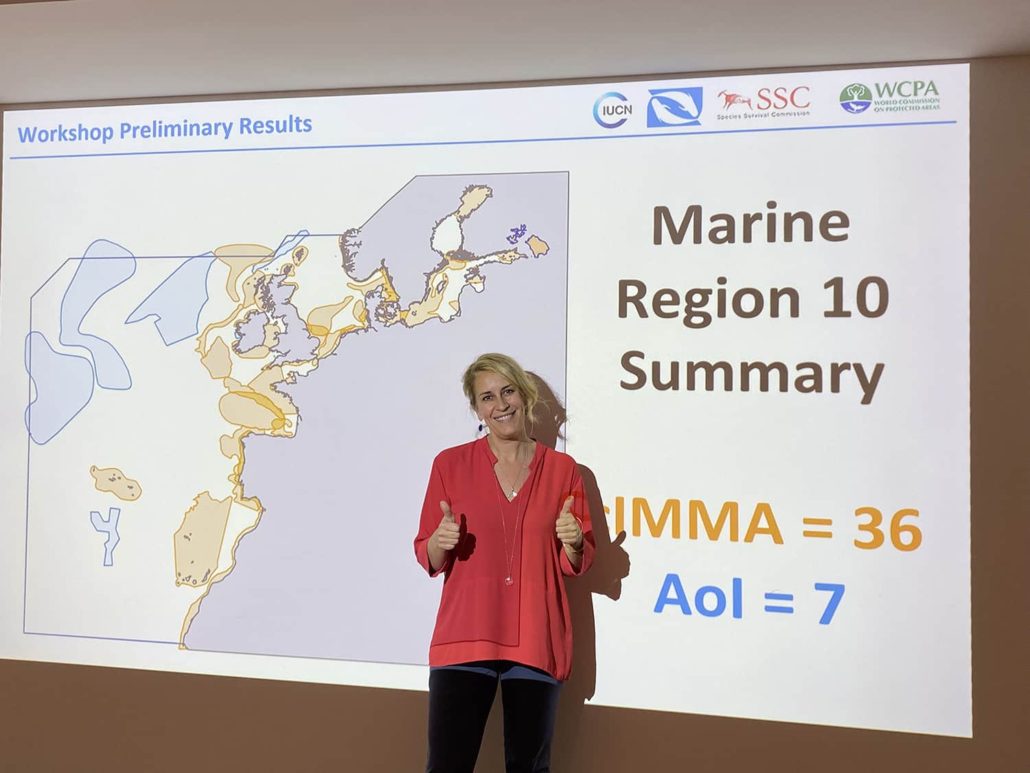
The group started with 395 preliminary areas of interest (pAoI), assembled from existing MPAs from OSPAR and national processes, EU Habitats Directive Special Areas of Conservation (SACs), and Convention on Biological Diversity ecologically or biologically significant areas (CBD EBSAs), plus 57 submitted by marine mammal experts, each of which had to be examined in detail before being considered for a cIMMA proposal. Besides the 36 new candidate IMMAs, 6 areas of interest (AoI) were also singled out by the experts as being important to highlight for future work.
The workshop was financed with the help of the Water Revolution Foundation and Peter Lürssen Foundation, with special assistance from Vienna Eleuteri. Additional support came from Tethys Research Institute, Whale and Dolphin Conservation and OceanCare.



 ©Julio Cardoso, Projeto Baleia a Vista Ilhabela