43 New IMMAs Identified in NW Atlantic Ocean and Wider Caribbean Region NWATLO
13 February 2025.
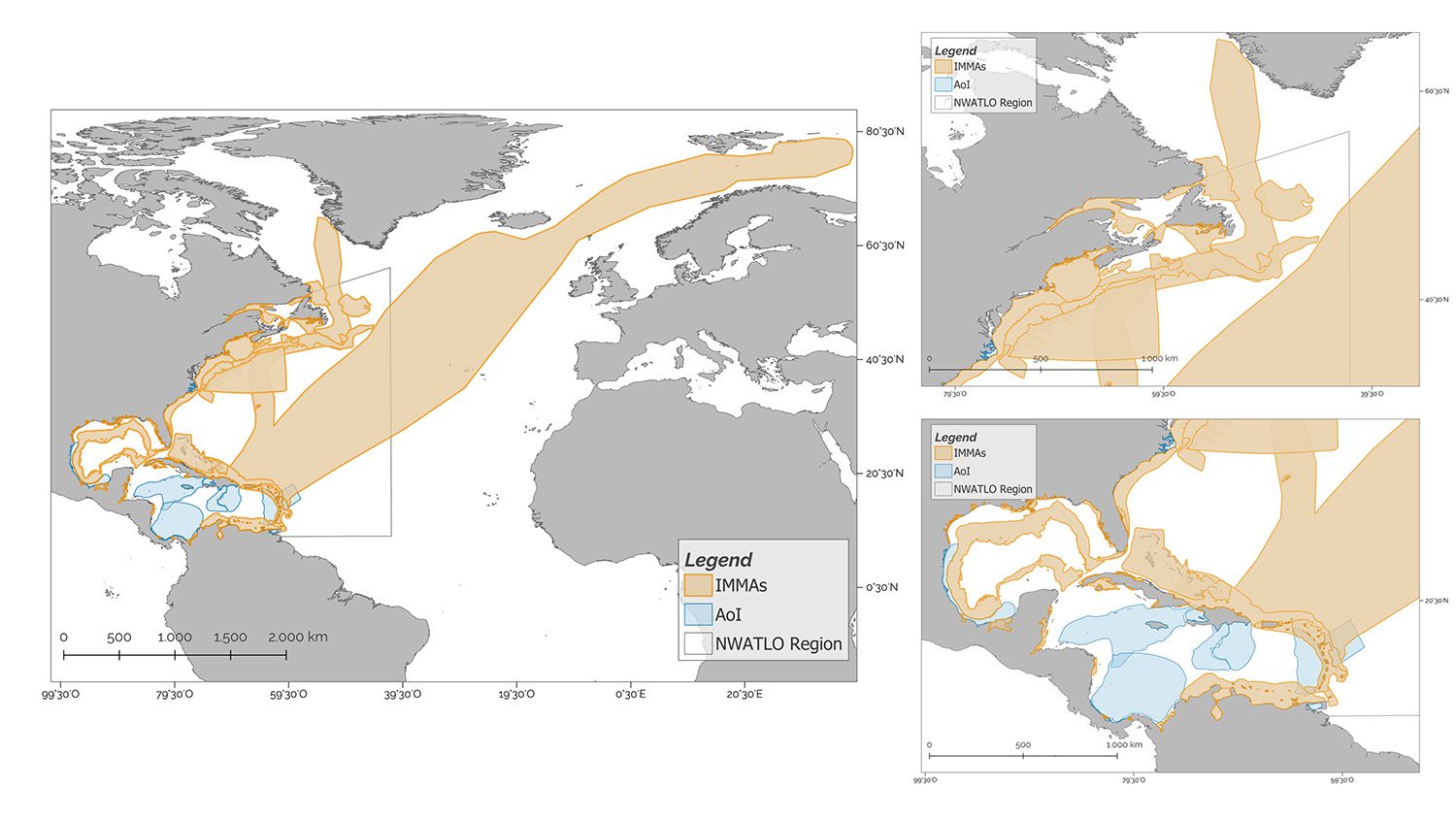
43 new Important Marine Mammal Areas (IMMAs) have been approved and placed on the map in the North West Atlantic Ocean and Wider Caribbean. The new IMMAs highlight habitats for threatened marine life: blue whales, North Atlantic right whales and Rice’s whales, sperm whales, as well as manatees in the south of the region and polar bears in the north.
IMMAs are defined as discrete portions of habitat, important to marine mammal species, that have the potential to be delineated and managed for conservation. They are not legal designations but independent, peer-reviewed assessments based on criteria supported by the best data. The new IMMAs are now on the IMMA e-Atlas and are available for download as shapefiles with associated information.
Globally, there are now 323 IMMAs. To date, 79% of the world ocean has been examined for IMMAs, with IMMAs comprising nearly 18% of the surface area. IMMAs are divided into 52% within exclusive economic zones (EEZs) and 48% in international waters on the high seas. Since 2016, the eight-member IMMA Secretariat has engaged 314 scientists from more than 80 countries to join in this work.
At a time when fishing and shipping have expanded along with proposed seismic exploring for hydrocarbons and rare minerals in the seabed, governments are having to make difficult decisions about which areas to protect and which to license for use, according to Erich Hoyt, co-chair of the IUCN Marine Mammal Protected Areas Task Force and Whale and Dolphin Conservation research fellow: “IMMAs are proving to be a way to give whales, dolphins and other marine mammals a seat at the negotiating table.”
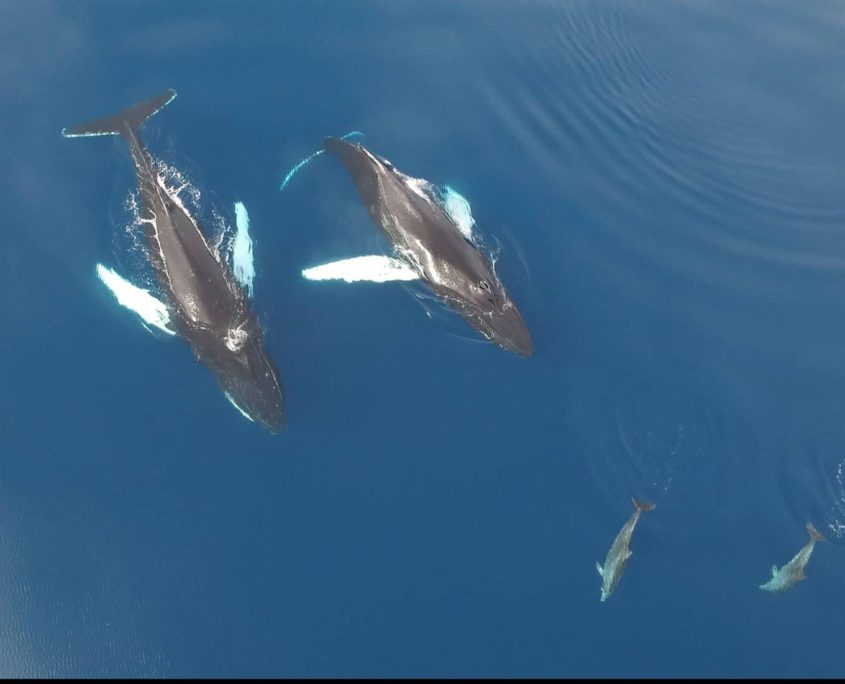
Bermuda humpback whales with common bottlenose dolphins
The Task Force is calling on governments “to take action to utilise the IMMA tool in marine spatial planning, for performing environmental impact assessments, and in the creation of marine protected areas,” says Task Force co-chair and Tethys Research Institute founder Giuseppe Notarbartolo di Sciara. “We need to keep in mind the goal of protecting 30% of the ocean by 2030.”
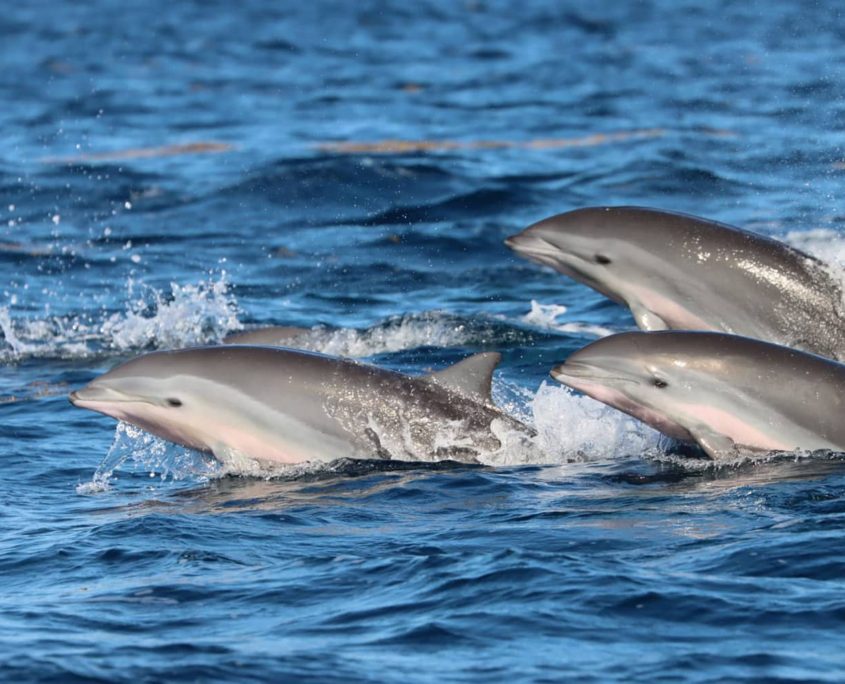
Fraser’s Dolphins – Martinique
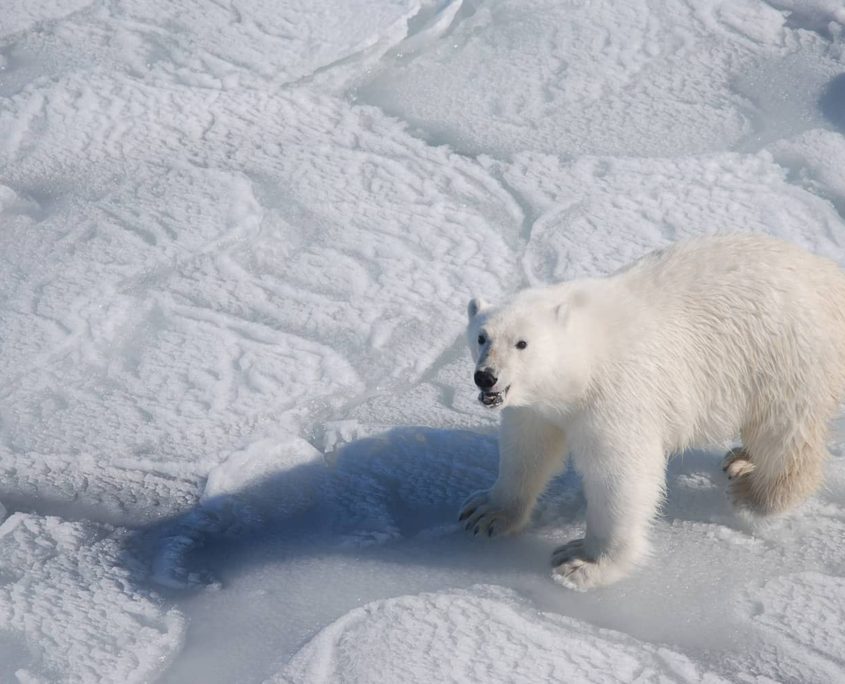
Polar bear in Southern Labrador Pack Ice Whelping Area
The North West Atlantic Ocean and Wider Caribbean Region covers a quarter of the Atlantic Ocean from southern Labrador to Venezuela. Species rich, besides the threatened whale species above, there are Risso’s, Fraser’s, and common bottlenose dolphins, dwarf sperm whales, and many species of deep-diving beaked whales. Several species reside entirely in this region including the North Atlantic right whale. The recently identified Rice’s whale, native to the Gulf of Mexico, now has its first IMMA, as do the polar bears, harp and hooded seals in the Southern Labrador Pack Ice Whelping Area IMMA.
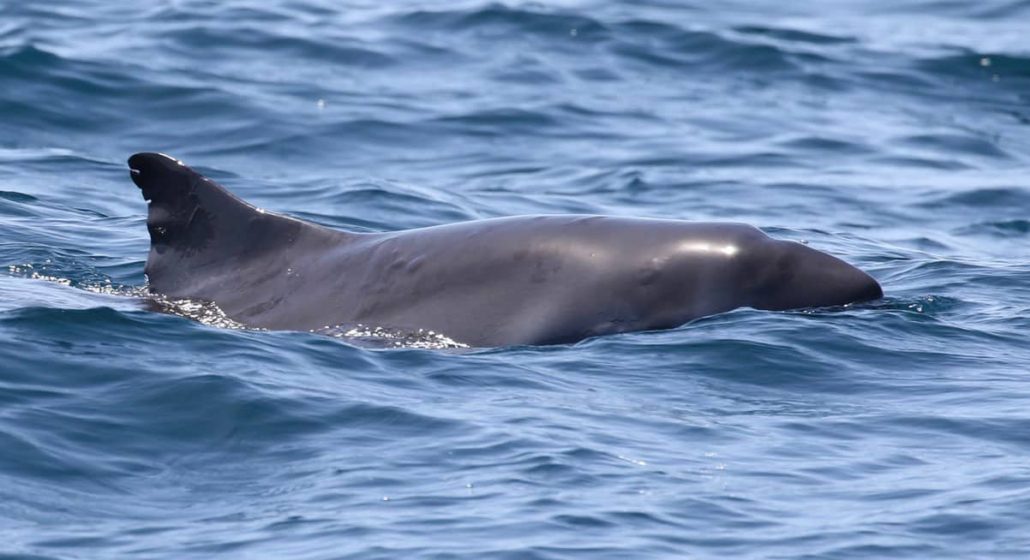
Dwarf sperm whale
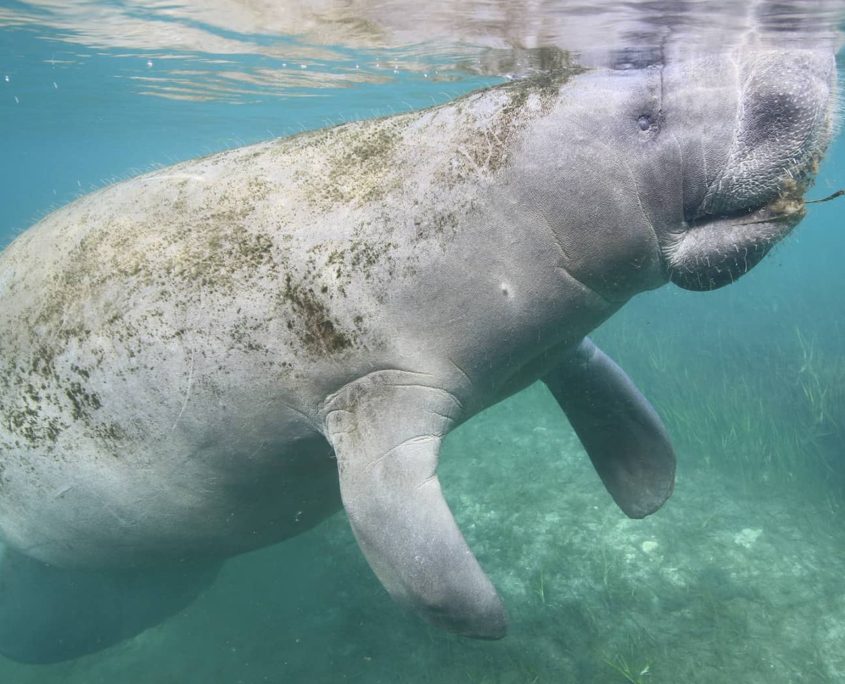
Florida manatee
More information
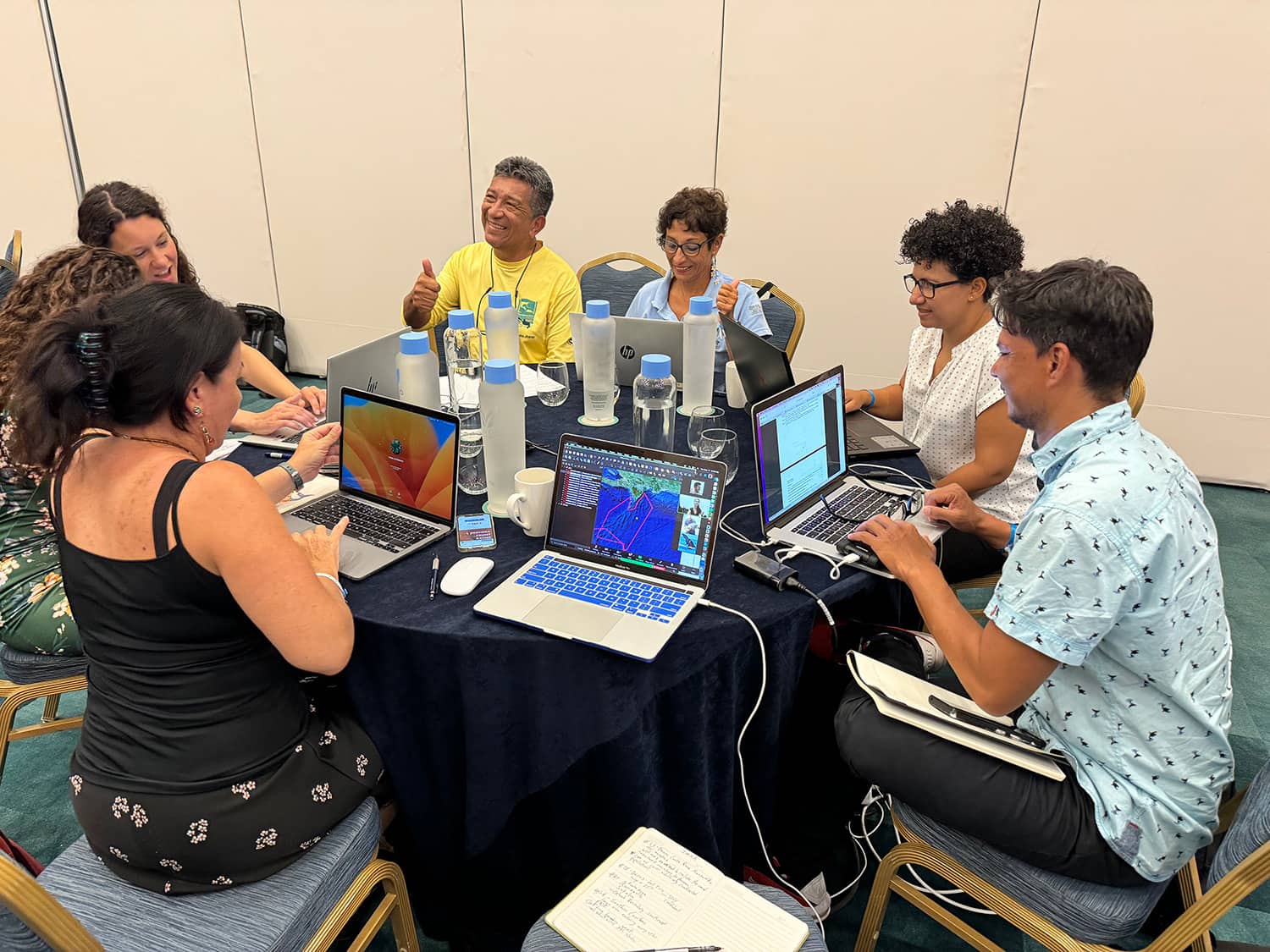
- The workshop was organised and run by the IMMA Secretariat of the IUCN Task Force on Marine Mammal Protected Areas. The 57 workshop participants from 14 countries comprised some of the region’s top marine mammal scientists.
- Workshop participants started by considering 284 preliminary Areas of Interest (pAoI), assembled from existing MPAs, Biologically Important Areas (BIAs) identified in US waters, Convention on Biological Diversity ecologically or biologically significant areas (CBD EBSAs), and including 57 areas submitted by marine mammal experts, each of which had to be examined in detail before being considered for a candidate IMMA proposal.
- 46 candidate IMMAs were sent to the review panel. Each was defended by text supporting various criteria and detailed mapping based on scientific evidence. Following peer review, some cIMMAs were split or combined, while others with insufficient evidence were put on the map as Areas of Interest (AoI).
- The final results for the North West Atlantic Ocean and Wider Caribbean region are 43 IMMAs and 11 AoI which have gone on the e-Atlas. Globally, there are now 323 IMMAs and 196 Areas of Interest (AoI). The AoI category features areas with insufficient evidence but useful to highlight potential IMMA identification if more research is conducted.
- IMMAs now cover 51,503,283 km2 which is exactly 17.8% of the surface area of the ocean. In Areas Beyond National Jurisdiction, the High Seas, 11.2% of the area is occupied by IMMAs.
- 247 IMMAs (76.5% of the total) have at least one threatened marine mammal species.
- The IMMA work has been supported by a grant from the Water Revolution Foundation, with additional funding and collaboration from the Sargasso Sea Commission, OceanCare and Animal Welfare Institute. Essential administrative support was given by Tethys Research Institute and Whale and Dolphin Conservation.
To download the North West Atlantic Ocean and Wider Caribbean IMMA report go to https://www.marinemammalhabitat.org/resources/documents/
To obtain shapefiles and detailed background information for the 43 approved IMMAs, go to https://www.marinemammalhabitat.org/immas/imma-spatial-layer-download/
For more information, story leads, contacts and free use of photos and maps, email Task Force co-chair: Erich Hoyt, erich.hoyt@imma-network.org
Download this news release as word document or pdf document